If you’ve ever felt frustrated during an insurance claim, you’re not alone.
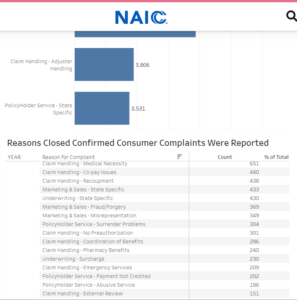
In fact, issues with claim handling and adjusters are one of the top reasons homeowners file complaints with their state Department of Insurance .
But here’s the part most people don’t talk about:
👉 Complaints don’t just happen because something went wrong.
👉 They happen because of how the situation was handled.
Let’s break it down.
The Real Reasons Homeowners File Complaints
Most complaints aren’t about one single issue—they’re about a pattern of frustration.
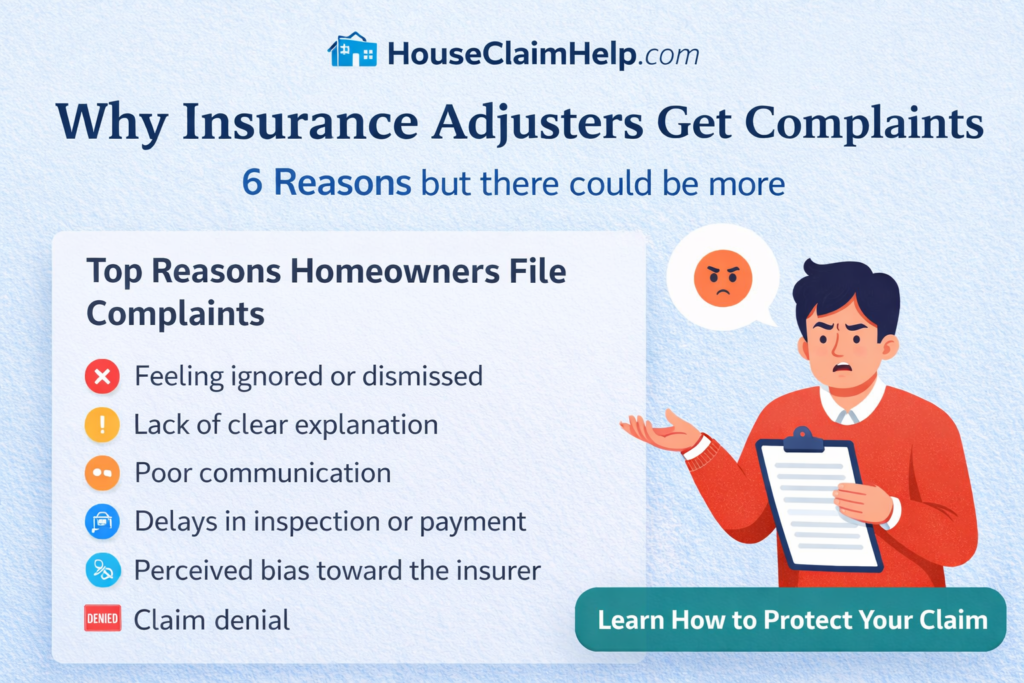
Here are the most common reasons homeowners file complaints against adjusters:
1. Feeling Ignored or Dismissed
Homeowners often feel like their concerns are brushed off, minimized, or not taken seriously.
2. Lack of Clear Explanation
Insurance is confusing. When adjusters don’t explain coverage, estimates, or decisions clearly, it creates confusion—and mistrust.
3. Poor Communication
Long response times, missed calls, or vague updates can make a stressful situation worse.
4. Delays in Inspection or Payment
Waiting weeks (or months) for inspections or payments is one of the fastest ways to trigger frustration.
5. Perceived Bias Toward the Insurance Company
Many homeowners feel like the adjuster is protecting the company—not helping them.
6. Claim Denials That Don’t Make Sense
When a claim is denied without a clear explanation or supporting documentation, it often leads to escalation. These aren’t just opinions—these are consistent patterns seen across formal complaints.
Here’s the Truth: Complaints Can’t Be Completely Avoided
This might surprise you… Not every complaint means someone did something wrong. Even in well-handled claims, homeowners may still file complaints—especially when:
- They don’t understand their policy
- They expected a different outcome
- They feel unheard during the process
Complaints also serve a bigger purpose. They help regulators identify trends and can even lead to changes in insurance rules and consumer protections .
What a Complaint Actually Does
A lot of homeowners think filing a complaint is just “sending a message.”
It’s more than that.
When a complaint is filed, it typically:
- Gets escalated to management or a compliance team
- Is documented at the state level
- May trigger an internal review or audit
- Becomes part of the insurer’s complaint history
In other words—it creates a record that the insurance company has to respond to.
What This Means for You as a Homeowner
If you’re in the middle of a claim, here’s what matters:
1. Communication is Everything
Keep records of emails, calls, estimates, and decisions.
2. Ask Questions Early
Don’t wait until the end of the claim to ask:
- “What’s covered?”
- “Why was this denied?”
- “What documentation do you need?”
3. Don’t Ignore Red Flags
If you’re experiencing:
- Long delays
- Inconsistent answers
- Missing damage in estimates
…it may be time to push back or escalate.
4. You Have Options
You can:
- Request a reinspection
- Submit additional documentation
- File a complaint with your state
- Bring in a public adjuster for help
Final Thought
Most homeowners don’t plan to file a complaint.
They get there after feeling:
- Confused
- Frustrated
- Or overlooked
Understanding why complaints happen puts you in a stronger position to:
✔ Avoid common issues
✔ Communicate more effectively
✔ And protect your claim from being underpaid
Need Help With Your Claim?
If something feels off with your claim, don’t wait until it’s too late.
At HouseClaimHelp.com, we help homeowners:
- Understand their policy
- Spot missing items in estimates
- Navigate difficult insurance situations
👉678-783-3321 Get clarity before you make your next move.